
Fatty Liver: A Rising Health Challenge
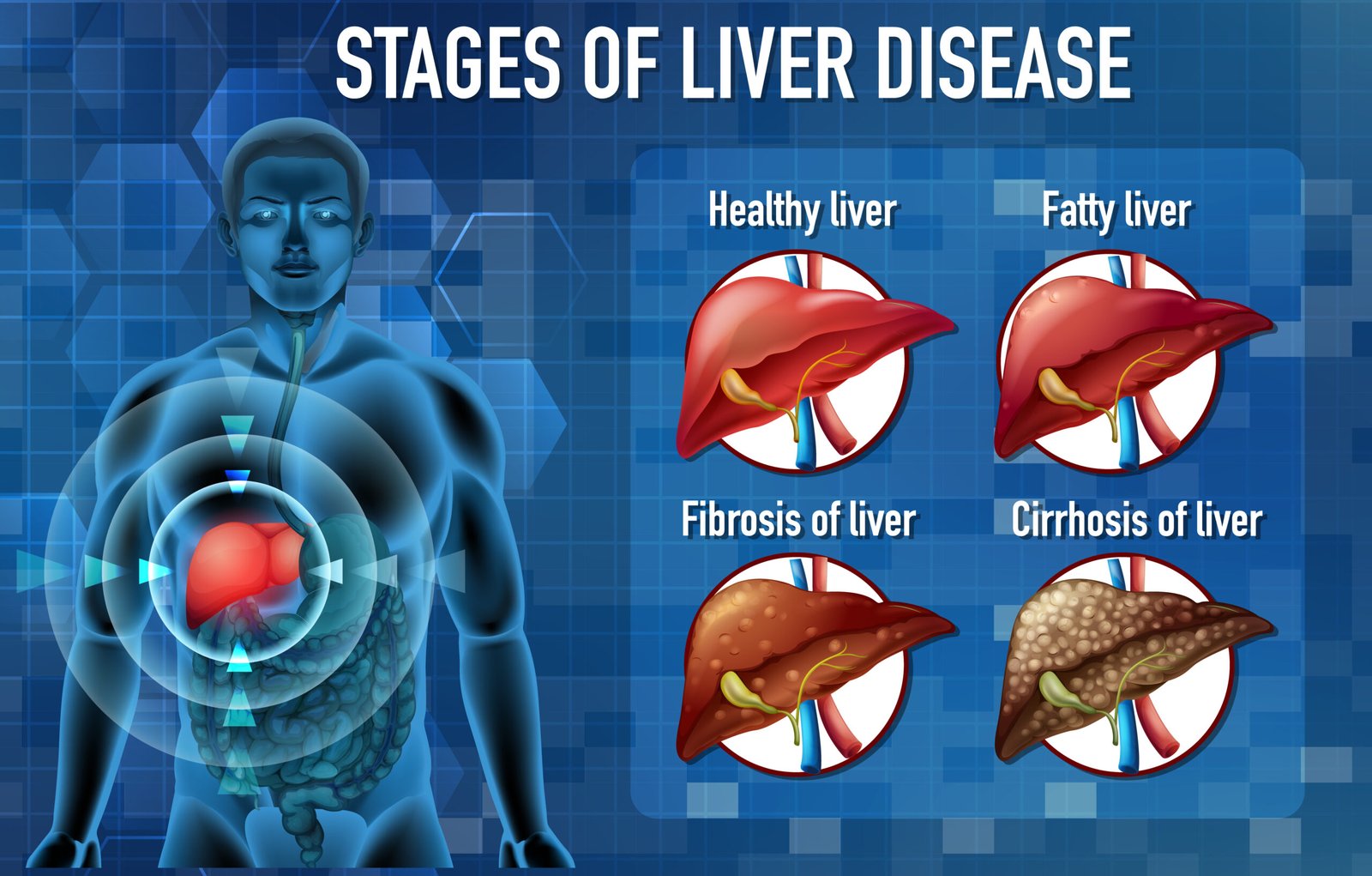
Fatty liver disease is increasingly affecting people due to modern lifestyles, poor dietary habits, and metabolic disorders. While nutritional improvements are widely recommended, medical supervision remains essential in many cases. Managing fatty liver effectively often requires a combination of lifestyle changes and prescribed medications, making reliable medicine availability a critical part of patient care.
Nutritional Awareness That Supports Liver Function
Diet plays a supportive role in liver health by helping reduce excess fat accumulation.
Key nutritional practices often advised by healthcare professionals include:
- Increasing fiber intake to support digestion
- Reducing processed and high-sugar foods
- Choosing antioxidant-rich foods to protect liver cells
These dietary measures are commonly followed alongside prescribed treatment plans to improve overall liver function and metabolic balance.
Importance of Continuous Medicine Availability
Fatty liver disease frequently coexists with conditions such as diabetes or high cholesterol, which require ongoing treatment.
Uninterrupted access to prescribed medicines is crucial to ensure treatment adherence and stable disease management. Pharmaceutical supply reliability directly impacts how effectively healthcare providers manage long-term liver-related conditions.
Trusted Pharmaceutical Supply Standards
In the healthcare supply chain, quality, compliance, and ethical sourcing are essential. Organizations like Fresaw Pharma focus on responsible distribution practices, proper storage, and regulatory adherence to ensure patient safety. Such commitment supports doctors and hospitals by delivering approved medicines in a timely and dependable manner.
Solid Dosage Forms in Liver-Related Therapies
Tablets remain one of the most commonly prescribed dosage forms for managing metabolic and liver-associated conditions due to their stability and precise dosing.
Reputable pharmaceutical tablets suppliers play an important role by ensuring consistent stock availability, which supports treatment continuity and better patient outcomes.
Liquid Medicines for Diverse Patient Needs
Some patients require liquid dosage forms because of age, swallowing difficulty, or specific medical requirements.
Dependable pharmaceutical syrups suppliers help meet these needs by providing easy-to-administer formulations that improve treatment compliance and patient comfort across diverse healthcare settings.
Role of a Reliable Pharmaceutical Supply Network in India
India plays a significant role in supplying medicines to domestic and global healthcare markets. A responsible pharmaceutical supplier in india focuses on efficient distribution, regulatory compliance, and timely delivery to support hospitals, clinics, and pharmacies. Strong supply networks help ensure that patients receive prescribed medicines without disruption, especially in chronic and lifestyle-related conditions such as fatty liver disease.

Partnering with Fresaw Pharma means more than sourcing medicines – it means ensuring safe, properly stored pharmaceuticals for your healthcare facility. We help hospitals, clinics, and doctors maintain medicine efficacy through optimal storage and temperature control, providing quality products you can trust.
Reach out to our team to discuss your pharmaceutical storage and supply needs, and learn how Fresaw Pharma can help your healthcare facility maintain medicine safety and ensure optimal patient care.