
The Importance of Proper Medicine Storage in Healthcare Facilities
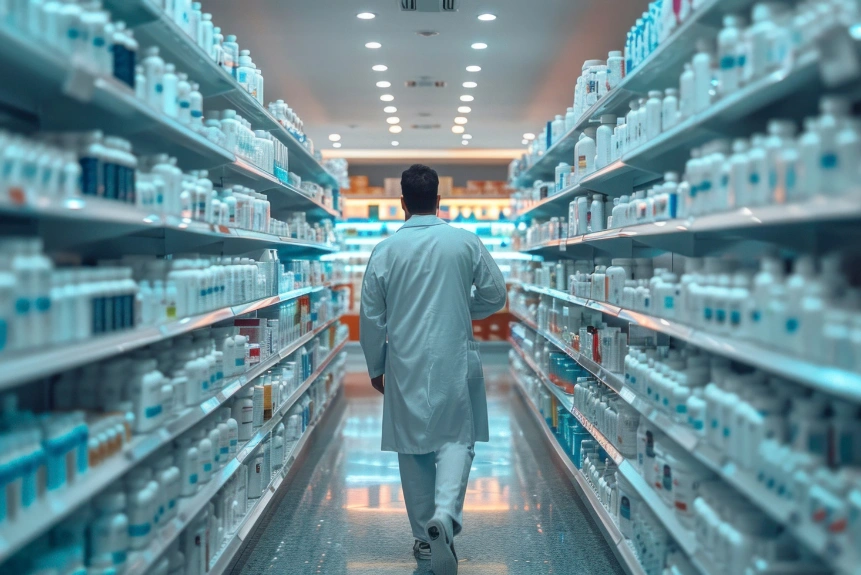
In healthcare facilities, the proper storage of medicines is not just a logistical concern it is a vital component of patient safety and therapeutic effectiveness. Without optimal storage conditions, medicines can lose potency, degrade, or even become dangerous. Ensuring effective medicine storage with robust temperature control safeguards both the health of patients and the investments made in pharmaceutical stock.
Why Proper Medicine Storage Matters
Stability and Efficacy
Medicines are sensitive chemical entities. Their active ingredients and excipients can degrade if exposed to temperatures outside the recommended range. Poor storage can lead to reduced efficacy, changing physical properties (like crystallization in liquids), or even complete breakdown of the drug.
In healthcare facilities, degraded drugs mean that patients may receive sub-therapeutic doses which can compromise treatment outcomes.
Safety and Patient Outcomes
When medicines are compromised, there’s a real risk to patient safety. For example, biologicals and vaccines are particularly temperature-sensitive; deviations can weaken their potency, leading to ineffective immunization.
Moreover, temperature abuse can foster microbial contamination in certain formulations, potentially increasing the risk of infection when administered.
From the patient’s perspective, using compromised medicines could lead to treatment failures, adverse reactions, or even increased antibiotic resistance.
Temperature Control: The Cornerstone of Storage
Common Storage Temperature Ranges
Healthcare pharmacies typically categorize medicines based on their storage needs:
- Ambient / Room Temperature – Usually ~15°C to 25°C.
- Refrigerated – ~2°C to 8°C. Used for vaccines, insulin, and many biologics.
- Freezer / Frozen – Some products may require -10°C to even lower, depending on formulation.
Risks of Temperature Excursions
If storage conditions deviate from the recommended range (“temperature excursions”), it can have serious consequences:
- Reduced Potency – Chemical degradation accelerates at higher temperatures.
- Physical Instability – Refrigerated solutions might crystallize; freezing liquids can separate phases or damage packaging.
- Microbial Growth – In some formulations, uncontrolled temperatures might facilitate contamination.
- Wastage and Cost – Medicines exposed to improper conditions may need to be discarded, leading to significant financial losses.
Regulatory and Quality Standards
Good Distribution & Manufacturing Practices
Compliance with regulatory frameworks such as GDP (Good Distribution Practice) and GMP (Good Manufacturing Practice) is essential to ensure that storage conditions are maintained throughout the pharmaceutical supply chain.
These guidelines mandate environmental controls, security, and appropriate storage infrastructure.
WHO & International Guidelines
The WHO emphasizes that even small dispensing facilities must maintain proper temperature and humidity control. Storage areas should be temperature-mapped, and records maintained.
Temperature mapping helps identify hot or cold spots in a storage area, so that medicines are always kept in the most stable zones.


Partner With Fresaw Pharma
Partnering with Fresaw Pharma means more than sourcing medicines — it means ensuring safe, properly stored pharmaceuticals for your healthcare facility. We help hospitals, clinics, and doctors maintain medicine efficacy through optimal storage and temperature control, providing quality products you can trust.
Reach out to our team to discuss your pharmaceutical storage and supply needs, and learn how Fresaw Pharma can help your healthcare facility maintain medicine safety and ensure optimal patient care.
📞 Contact us today at https://fresawpharma.com/contact-us/
Let’s work together to make healthcare more affordable for everyone.